Plank Dolphin Yoga Position - Benefits, and Precautions
.jpg "Plank Dolphin Yoga Position or Yoga Pose Dolphin")
The dolphin plank position (Makara Adho Mukha Svanasana) is a yoga position that brings together the beneficial aspects of both the plank and dolphin postures. Philosophically, the dolphin plank can represent characteristics of the dolphin (playfulness, joy & intelligence) and crocodile (strength, stability, and endurance).
Among the benefits of using the dolphin plank is that it strengthens the shoulders, improves the stability of the core, and increases good posture. Dolphin plank is also alleged to release this manipura (solar plexus) chakra that relates to willpower, self-confidence, and change. It can gain self-esteem, go through fear, and promote personal development.

How to do the Dolphin Plank Pose or Plank Dolphin?
Dolphin plank pose is an extreme position of the normal plank pose in which the person needs to be strong, stable, and focused.
- The Tabletop position begins with your knees on the ground directly beneath your hips, and your wrists' knees beneath your hips and wrists under your shoulders. The Forearm Plank/ Dolphin Pose is a good modification as it really works the shoulders, arms, and core.
- If you're new to the Dolphin pose or are feeling tired, try beginning with less time spent in the pose until you've built strength and endurance.
- One foot at a time, step away until you enter a plank position, and in a straight line from your head to your heels.
- Shoulder protraction and contraction of abdominal muscles to avoid the dropping of the hips.
- Maintain a loose head and neck position, gazing at your toes or in the middle of your hands.
- Stand in this pose and take several breaths, pressing and pushing into your core with your forearms and toes.
- To leave the pose, put your knees down to the floor and unwind into a child's pose.
Precautions of Dolphin Plank Pose
- Contraindications: shoulder or neck injuries. The Dolphin plank pose puts a lot of pressure on the shoulders and neck. In case of any pain or injury in these parts, it is better not to take up this posture or adjust it.
- Make it slow: Dolphin plank pose is not an easy pose, and one should take it slow and then start with half a pose before gradually increasing to the complete pose.
- Beginning at a lower duration & increasing as you progress; if you are new to the pose or are feeling fatigued, start at a lower duration and work your way up progressively.
- Using your Core to Stabilize your Lower Back: You must maintain the strength in your core while in this pose so that you do not put too much pressure on your lower back; it is also important for you to be conscious of how far down your lower back can drop and how far up your hips can raise.
- When performing the Dolphin: Performing the dolphin plank provides excellent spinal alignment while reducing the amount of strain placed on your wrists.
Listening to Yourself:If you are paying attention to the signals from your body, and you feel pain or discomfort in your body while you are in this position, please keep a close watch on your body and its signals. If at any time you feel apprehensive or uncomfortable, or if your pain or discomfort persists, please move to another Position or stop the pose altogether.
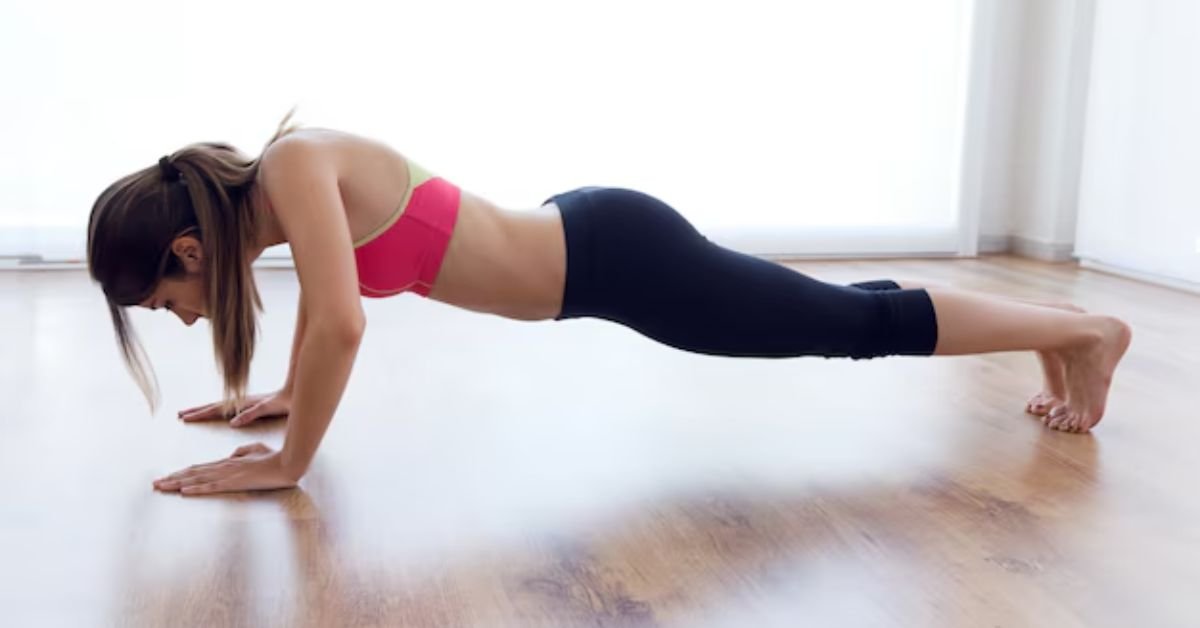
Benefits of Dolphin Pose
- Strengthens the backbone: Dolphin plank pose involves the use of the entire core (abs, the back, and glutes). With continuous repetition of this posture, core muscles become stronger as well as toned, enhancing posture and stability.
- Develops upper body strength: This pose requires strong arms, shoulders, and upper back. The dolphin plank is a good exercise that can be used to strengthen and increase the endurance of these muscles.
- Enhances balance: The Dolphin plank takes so much concentration and balance to hold on to the pose. The practice could be beneficial in terms of balance and stability, as this would be applicable in other yoga postures and activities in day-to-day life. The Yoga pose, dolphin, helps prepare the body for advanced inversions by building upper-body strength.
- Stretches the hamstrings: Dolphin plank stretches the hamstrings as well, and this can also help to get tightness out and increase the flexibility in the legs.
- Relaxes the mind: Dolphin plank, as is the case with any other yoga pose, may serve to relax the mind and fight stress and anxiety. By focusing on a breath and holding a pose, it is possible to develop the feeling of relaxation and peace.
What are the Common Mistakes While Performing the Dolphin Plank Pose?
Sagging of the hips is one of the errors made in the Dolphin Plank Pose. This can cause lower back strain and a performance decrease. Make sure that your core is involved to keep the lines straight, head to toe. When the shoulders are raised too high or tight towards the ears, then another problem ensues. To support and be more comfortable, you may relax your neck and pull your shoulders away from your ears.
The placement of hands is also not taken into consideration by many practitioners. Have your forearms parallel, and make sure that your elbows are below your shoulders. A wrong position may result in instability. And finally, do not hold your breath when you are in this position. This is because when you are holding yourself, you should remember to breathe in and out deeply and steadily, because oxygen is needed, and this will help you maintain strength.
Final Thoughts
The Dolphin Plank pose is one of the outstanding yoga poses during any given yoga session or exercise. It challenges the body, strengthens it, and makes it more flexible. It is a position that is advantageous on many occasions, and you can use it to not only build your core stability but also to strengthen your upper body.
It is with the assistance of Dolphin Plank that you can not just exercise your body, but also your mind. This has been the pose that has enabled most of the yogis to develop focus and persistence both on and off the mat. Remember that one should be wary of the pose. Be sensitive to your body and adapt to it, be it new or no effort to manage your injuries. Experience will enable you to observe a change in adjustment and mould as time goes by.
Frequently Asked Questions
What is the Dolphin Plank Pose in yoga?
The Dolphin Plank Pose allows you to bridge between the two major standing postures' core support system while giving your core strength an excellent workout due to the participation of the shoulder, arm, leg, and abdominal muscles. The majority of the energy emanating from this position comes from the core, while engaged in the torso and legs as well, this pose increases overall body form and overall level of endurance
What do the Dolphin Plank Pose advantages look like?
The Dolphin Plank Pose is a good exercise that builds the abdominal muscles, shoulders, arms, and back. It enhances the core stability, develops the upper-body endurance and gets the body ready to do serious inversions such as the forearm stand (Pincha Mayurasana).
Is the Dolphin Plank Pose effective in terms of core strength?
The Dolphin Plank Pose, while it is great for strengthening the core, the presence of a low-sitting forearm base means that this pose can begin the strengthening of your breath muscles (trapezius and intercostal muscles) due to being held with the forearms down relative to the hips.
Is the Dolphin Plank Pose practised by beginners?
New to the Dolphin Plank Pose? Plenty of options exist to get you started on developing your strength safely over time; keep your knees on the ground as much as you want, hold your position for a shorter duration before moving into the full version of the pose, or take the time to practice only the Dolphin Pose.
What are the muscles that the Dolphin Plank Pose targets?
The core muscles, shoulders, forearms, chest, glutes, and legs are mostly targeted in this pose. It also makes the spinal stabilisers stronger and enhances the performance and stamina of the shoulder.
Categories
Our Popular Yoga Courses
Yoga Teacher Training Courses in Rishikesh, India
Join our Yoga Alliance certified 100 to 500 Hour Yoga Teacher Training in Rishikesh — the Yoga Capital of the World. Learn from expert Indian gurus.
200 Hour Yoga Teacher Training in Rishikesh
Yoga Alliance certified TTC for students who want to become professional yoga teachers.