Agastya Muni
Agastya Muni: Spiritual History of Yoga
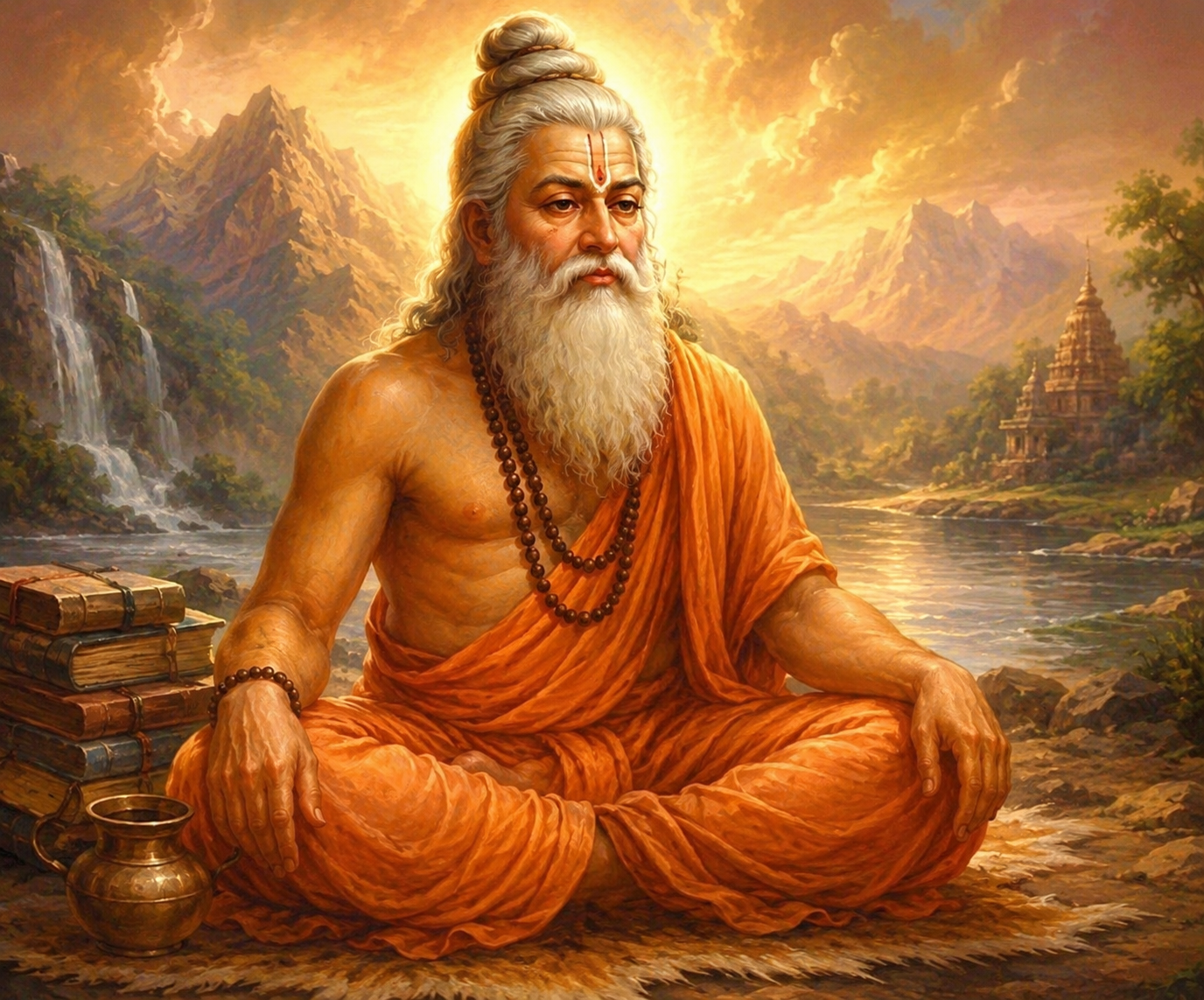
The Life, Legends, and Legacy of the Sage Who Carried Yoga to South IndiaAgastya Muni is one of the great sages in the spiritual history of yoga. His impact is felt most prominently across South India, and his life story continues to inspire spiritual seekers to this day. He is regarded as a master of yoga, meditation, mantra science, and Ayurveda.
His spiritual discipline was honored by fellow sages and even by the gods. From childhood, he was recognized as a being of divine birth. Many stories from his life illustrate the triumph of wisdom over ego. Agastya Muni is credited with founding the Tamil Siddha tradition, and it is said he moved south specifically to balance the spread of spiritual teaching across India — since most sages of that era were concentrated in the north.
The Divine Birth: Kumbhayoni
Agastya Muni is said to have been born from a sacred vessel created by the gods Mitra and Varuna. Because of this unusual birth from a pot, he is known as Kumbhayoni, meaning "pot-born." This divine origin marked him as blessed from the very beginning.
From early childhood, Rishi Agastya devoted himself to meditation, Vedic study, and yogic austerities, developing extraordinary wisdom and spiritual power. Several stories from his life are connected to the Vindhya mountain range in the south, where he chose to live in devotion — dedicating himself to spiritual knowledge and to serving the world through healing.
Two Famous Stories from the Life of Agastya Muni
The Vindhya Mountain Story: When the Vindhya mountain range grew arrogant and rose so high it blocked the sunlight, the gods grew concerned and approached Agastya Muni for help. He agreed, and as he passed through, the mountain bowed before him. He asked it to remain that way until his return — and since he never went back north, the mountain stayed low. This story is often told as a lesson in humbling what has grown too proud.
The Ocean Story: In another tale, demons hid at the bottom of the ocean during a war with the gods. The gods again turned to Agastya Muni, who drank the entire ocean to expose the hidden demons, allowing the gods to defeat them. This story symbolizes the ability of a realized yogi to absorb and transform overwhelming forces through spiritual strength.
Marriage to Lopamudra
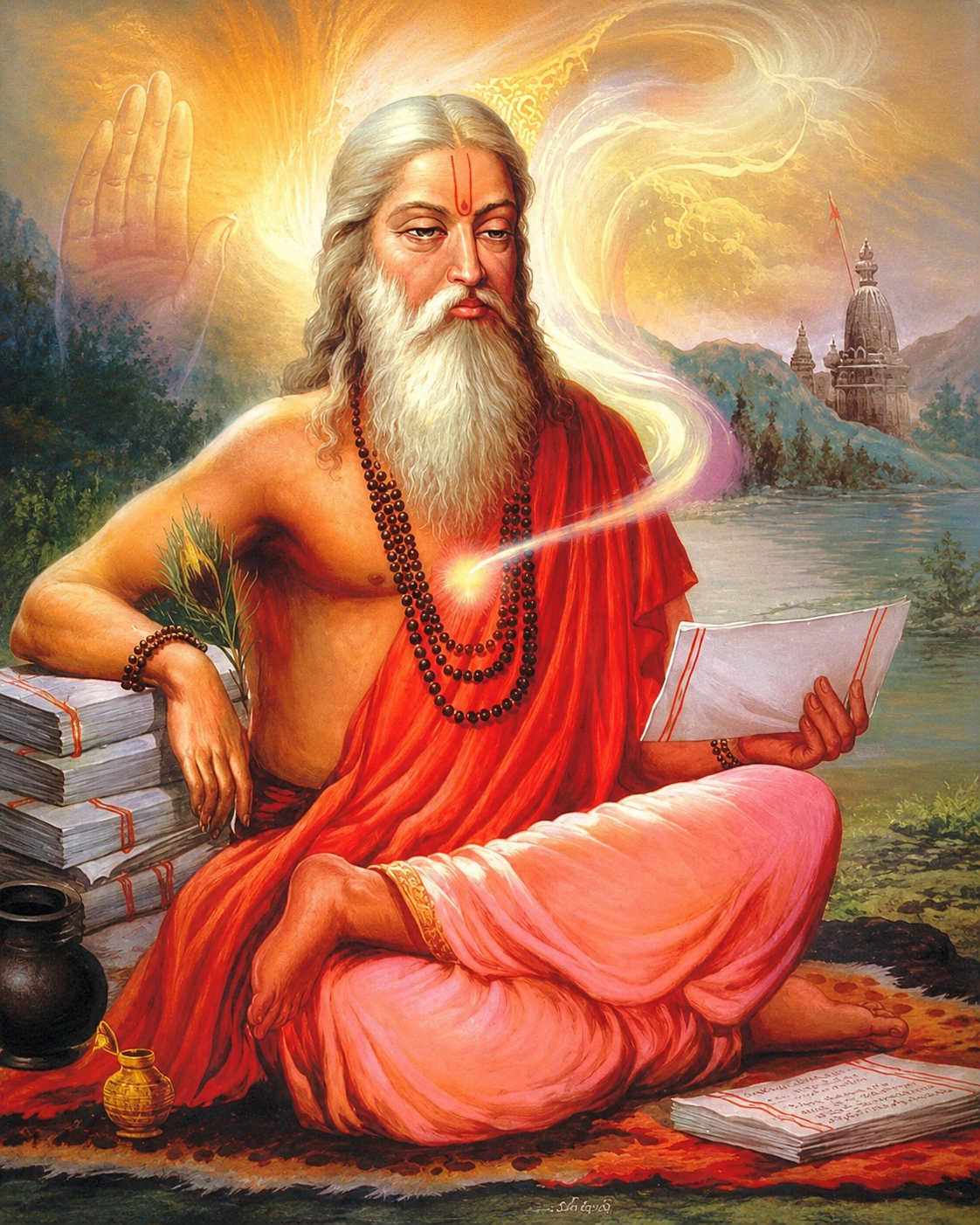
Lopamudra, princess of Vidarbha, was created by Agastya through his own spiritual power, and the two were later married. Together they became one of the earliest examples in Indian tradition of balancing asceticism with household life — both remaining devoted spiritual seekers even within married life.
Lopamudra herself is celebrated as one of the few female rishis credited with composing hymns of the Rigveda, one of the oldest texts in Indian literature. Their partnership is remembered as an ideal of spiritually accomplished householder life, showing that renunciation and family life were not seen as opposites.
Agastya Muni's Connection to Yoga and Meditation
Legacy and Connection to South IndiaAgastya Muni is considered a founding figure of South Indian spiritual culture. Within the Tamil tradition especially, he is remembered for his contributions to literature, medicine, and yogic teaching. After his marriage, Lopamudra also took part in his work of teaching Ayurveda and healing.
Even in ancient times, his hymns were regarded as a powerful method of healing. He is credited with establishing the Siddha practice followed across various regions of India, and is considered a master of prana (life force), with deep knowledge of breathing techniques said to extend lifespan. Tradition holds that he practiced intense **tapas** (disciplined austerity) for extended periods to cultivate spiritual energy.
Key elements of his teaching include:
- Complete mastery over prana and breath control
- Long-term practice of tapas — sustained discipline and self-restraint
- Realization of yoga's core principles through discipline, concentration, and meditation
- Siddha teachings centered on meditation, breath control, healing, longevity, and spiritual liberation
- Ayurvedic teachings on the connection between body, mind, breath, and consciousness
- Later yogic traditions that connect his teachings to the awakening of kundalini energy
Agastya Muni's Connection to South India
While most sages of his era were based in the north, Agastya Muni traveled south to help balance the spread of spiritual teaching across India. He became a foundational figure for South Indian culture and tradition, bringing knowledge of longevity and spiritual liberation to regions where such teachings were not yet widespread.
Many Tamil texts reference his name and teachings, including the concept of kundalini awakening. After settling in the south following his marriage, he remained there for the rest of his life. His story is often read as a lesson in overcoming ego through wisdom and service.
Legacy of Agastya Muni
Agastya Muni's life reflects the complete practice of yoga — connection with the self paired with service to the world. He is remembered as a founding figure in yoga, Ayurveda, Siddha medicine, and spiritual science. His hymns are preserved in the Rigveda, and through his marriage to Lopamudra, he demonstrated that balance could be found even within family life.
Not every meaningful story involves conflict — some, like his, are stories of discipline, humility, and service to others. This is one of the central lessons of his life: that true yoga extends far beyond physical postures.