How to Do Pranayama: A Step-by-Step Guide
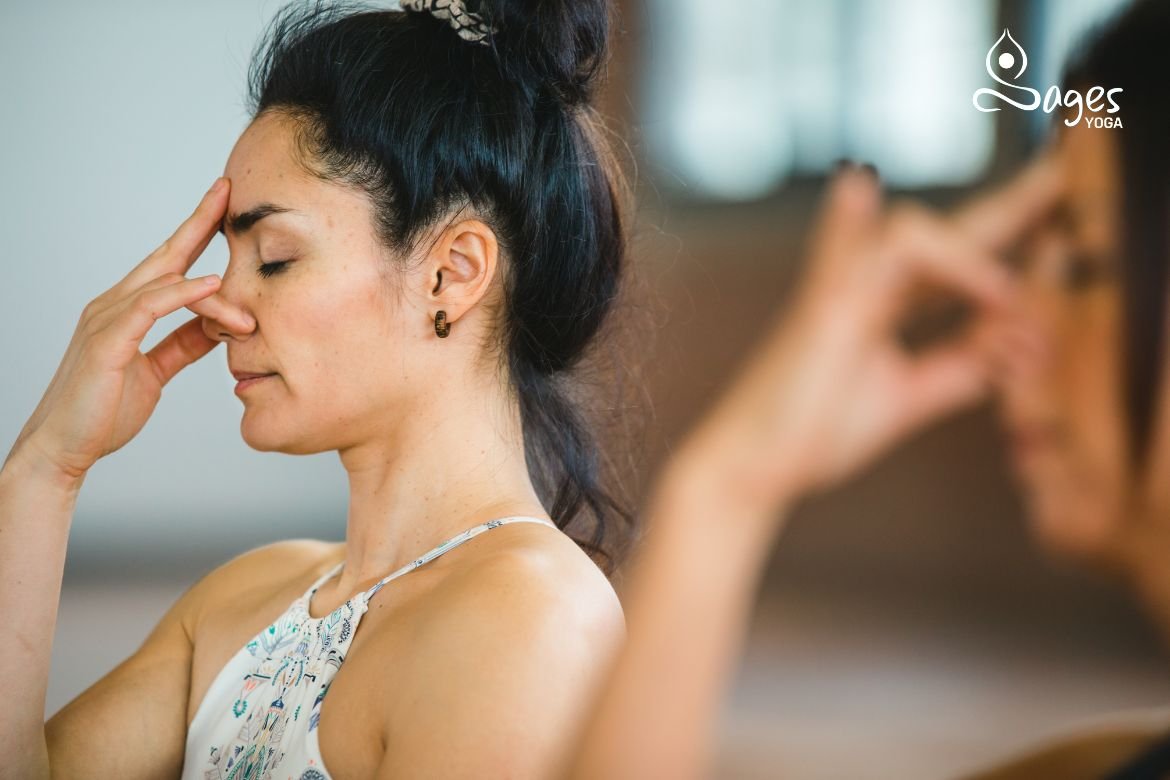
Life in the modern times takes its toll on everyone. We need simple and effective methods of revitalization and cleansing to our entire system. Both require focusing on your breath.
The pranayama exercises in yoga are simple to practice when done regularly and have an array of benefits! In the following pages, learn this incredible world of Pranayama, and five breathing techniques you can use from your earliest days!
What is prana?
Yoga describes the prana as the life energy which distinguishes the living from the dead. The subtle life force energy or chi circulates through subtle energy channels of course called 'nadis' and energy centers called ‘chakras.’
Our body needs prana for both our physical and subtle layers of existence. If there's no prana, we won't be able to live. It is essential to maintaining life.
There is a lot to be understood about prana, from the physical breath right through to the energy of the consciousness to kundalini shakti to the original creative power. The entire universe is said to be the expression of prana, the yogis say.
Different Types of Pranayama
There are five major kinds of prana:
- Prana - Controls breathing.
- Udana - Controls the senses, enthusiasm and speech.
- Samana- Assimilates and distributes nutrients.
- Apana - Controller of expulsion of wastes in a downward direction.
- Vyana- It is pervading throughout the entire body, giving out energy.
Combined, these five Prana Koshas constitute the vital energy body called Pranayama Kosha. They flow in all possible directions and in essence, make things happen within the body.
Their path is via the nadis – the subtle channels of the body
Prana is essential for human lives to function. Hence prana creation is crucial if you want to have an abundant meditation practice as well as healthy thoughts along with all mental functions will require the smooth flowing of prana.
Close your eyes and hold your breath for 20-30 seconds. Notice how your thoughts come to a pause. If prana is dormant then there is no thought. When prana completely perishes, then all cognitive functions stop.
With the control of the breath the yogi can awaken the power of the mind. But on the other hand, imagine how distorted your thoughts would be if your breath was in some way impaired, as it is in most of us who’ve lost our ability to belly breathe. Pranayama has a great influence on the build up of negative feelings or thoughts that have come into being through improper breathing.
What is pranayama?
Pranayama is a Sanskrit term which refers to breath (prana) and the practice of (ayama) the practice of yoga.
All these exercises can increase our energy, ease the stress, clarify our mind, and provide better health to the body. Breathing exercises or pranayama is practiced with the term ‘breathwork' by many people in the West.
Here we know a priori that ‘prana’ is the subtle, universal life force. ‘ayama’ at the end of the word means "to regulate, control, or lengthen.
Pranayama is more than just controlling your breath. It's about increasing prana using your breath. These methods generally are used by inhaling with the nose in a certain pattern that includes breath retention and exhalation.
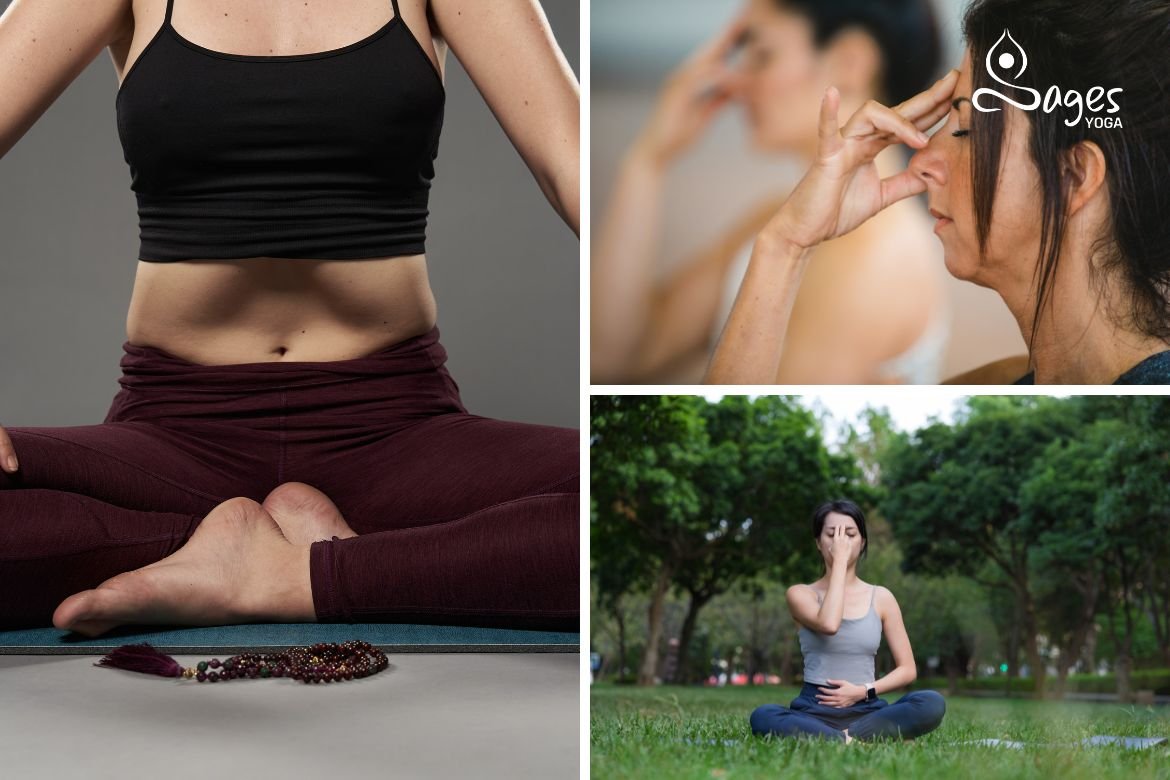
If performed properly, Pranayama creates balance between the body, mind and spirit. It strengthens you physically, mentally and spiritually.
Other breathing exercises include Ujjayi breathing (ocean breathing), Bhastrika pranayama (bellow's breathing), Bhramari pranayama (bee breathing). Nadi Shodhan; alternate nostril breathing is another popular pranayama. There are videos to learn exercises for breathing below.
Another particular thing to note, many pranayama classes are simply taught by The Art of Living in their courses and retreats.
Different Types of Pranayamas and How to Do Them
Let's learn the different types of Pranayamas and how to perform them.
Anulom Vilom
Anulom Vilom is the most practised pranayama. It works to balance the left and right brain, unclog the blocked channels of energy and clarifies the mind.
How to do it:-
- Sit at the ground or chair in a straight line with very relaxed shoulders.
- Gently and slowly breathe normally, closing your eyes.
- Hold your thumb on your right nostril and your ring finger on the left nostril.
- Tighten your right thumb over your right nostril.
- Slowly inhale, deeply through the left nostril.
- Do zipping with the left nostril and close the one with your ring finger.
- Let the thumb out of the right nostril and slowly release the air.
- The left nostril should be closed, inhaled through the right nostril.
- Close off the right nostril with the thumb once again.
- Open up the left nostril, and breathe out slowly.
Benefits
By calming the mind, Anulom Vilom assists breathing, decreases stress, enhances focus, adds heart well-being and infuses serenity by the day.
Bhramari Pranayama
In Sanskrit ‘Bhramari' means bee. Bhramari is the bee of the Indians. This is a soothing sequence in which the humming action will occur during exhalation thereby creating vibration internally and relaxing the mind.
How to do it:-
- Sit in a relaxing position and close your eyes.
- Hold your thumbs on your ears, index fingers on your forehead and the other fingers over your eyes that are closed eyes.
- Take a good, deep breath in through the nose.
- Exhale slowly while making a "howling" sound similar to that of a bee. And feel the throb in your head and throat.
- Repeat for 5-7 passes
Benefits:- It lowers the anxiety level, eases tension and increases concentration and improves sleep.
Kapalabhati Pranayama
Kapalabhati is a highly effective cleansing exercise which cleanses the lungs and infuses vitality to the whole system. Here the emphasis is on passive and forced breathing in and out.
How to do it:-
- Stay in this position for now sitting down and kneeling on your hands.
- Normal breathing, then, sharply tap air in nose and suck belly button down moving towards the backbone.
- Do not force your breathing and do not concentrate on taking the breath.
- Do 30 quick, strong in-and-out breaths in a round; trade at a steady pace.
- Take lots of deep breaths and rest in between. Complete two – three rounds.
Benefits:- Gives strength to the body, strengthens the lungs, aids digestion and also improves the intellect.
Bhastrika Pranayama
Bhastrika is a powerful breathing technique to activate oxygen flowing; to increase vitality and eliminate the stagnant energy in the body.
How to do it:-
- Bend both knees to a right angle and place hands on knees.
- Breathe in slowly, deeply and fully through the nose.
- Breath out with a powerful effort, through the nose, and inhale through the mouth pulling the stomach up.
- Continue to move rhythmically – breathe in in rhythm, out in rhythm and as strong as possible, and swift.
- Start with 10-15 rounds of breaths then gradually increase the number of rounds as you get stronger.
Benefits: It ensures alertness, enhances the respiratory and makes the body energetic.
Nadi Shodhana Pranayama
This is a similar technique to Anulom Vilom, but with a slight variation as retention of breath is used sometimes, while in Anulom Vilom it is always used. In particular, it's a cleansing technique to cleans up the nadis and harmonizes Ida and Pingala energies. In learning how to do pranayama you liberate your mind from a sense of peace, balance and harmony.
How to do it:-
- Sit down, relax and take a few deep breaths.
- Same Vishnu Mudra hand position.
- Take a long inhalation and hold the breath for a few seconds and then exhale through the right nostril.
- Right breath in, left breath out.Right inhale / left exhale.
- Slow and deliberate, take 5-7 rounds.
Benefits: Clears energy channels, stabilizes emotions and enhances meditation.
Conclusion
Pranayama is a highly beneficial yogic breathing technique which balances the breath, quietens the mind and enhances well-being. With proper posture, breathing practice and method, a beginning (or advanced) yoga practitioner can enjoy its physical, mental and emotional benefits. Regular pranayama practice can help you achieve stress relief, better concentration, more lung capacity and improved energy levels, all to live a healthier, happier and balanced lifestyle. Slowly increase and decrease the duration of your practice, relax yourself, try breathing mindfully, and gradually get more advanced under the proper instruction for maximum gain.
Frequently Asked Questions
What is the best time to practise Pranayama?
Early morning, on an empty tummy is the best time for pranayama practice. However, there is an option to do this in the evening as long as there is a 3-4 hour break from food.
Which is the appropriate amount of time for beginners to practice Pranayama?
For those who are new to it, they can begin with 5–10 minutes per day of meditation and gradually work their way up to 20–30 minutes a day as they become more comfortable practicing the techniques.
Is it okay to practise pranayama daily?
Generally, pranayama practice is safe for daily practice. For lasting results like benefiting the breathing, less stress and higher concentration, it is important to be consistent.
Should one do the pranayama before or after the Yoga?
Usually, Pranayama is used at the end of yoga positions (asanas) and at the beginning of meditation. This sequence can calm down your brain and body so you can relax more and focus more.
Is Pranayama capable of decreasing stress and anxiety?
Yes, lots of pranayama is relaxing, calms the nerves and aids in controlling stress and anxiety.
Categories
Our Popular Yoga Courses
Yoga Teacher Training Courses in Rishikesh, India
Join our Yoga Alliance certified 100 to 500 Hour Yoga Teacher Training in Rishikesh — the Yoga Capital of the World. Learn from expert Indian gurus.
200 Hour Yoga Teacher Training in Rishikesh
Yoga Alliance certified TTC for students who want to become professional yoga teachers.